
-

Surron Light Bee X Review (2026): Is It Still Worth It?
First Impressions When I say the first time I swung a leg over a Surron Light Bee X, it caught me off guard, I mean that sincerely. It doesn't look intimidating. That's the first thing. It's compact, almost delicate-looking compared to a full-size MX bike. The frame has this clean aerospace aluminum aesthetic — no clutch cover, no exhaust pipe snaking around the frame, no oil residue anywhere. Just clean lines, a centered battery pack, and knobby 19-inch tires that tell you exactly what this machine is designed for. You pick it up — and that's the thing, you can pick it up — at 56 kg (around 123 lbs with the battery in), it's manageable in a way that a 240-pound four-stroke never is. First ride was out at a loose dirt loop we use for testing out in the high desert. Hit the power button, thumbed it into Sport mode, rolled the throttle — and that was it. I was hooked. The initial torque hit isn't violent, it's precise. There's a difference. This bike doesn't lunge at you and try to throw you off; it just goes, hard and immediately, and you feel it right through the handlebars and pegs. That first impression has held up across dozens of hours on this platform. But let me get into the actual details, because first impressions don't tell the whole story. Technical Specs Breakdown Let's lay out the numbers before we talk about what they mean in real life. The 2025/2026 Surron Light Bee X runs a Permanent Magnet Synchronous Motor (PMSM) rated at 8,000W peak power — an upgrade from the earlier 6 kW models that some older reviews still reference. That 2 kW jump isn't just a marketing refresh; it's noticeable on trail. Peak torque comes in at 266 N.m (roughly 196 ft-lbs), which for a 123-pound bike is a genuinely wild number to think about. The battery is a 60V/40Ah pack using Panasonic or LG 21700 cells — the same cell format used in quality EV applications, not some low-grade chemistry. Surron rates the range at 75 km (about 46 miles) at 40 km/h in Eco mode. We'll get into what that means in the real world in a bit, because the real number is more nuanced. Specification Details (2025/2026 Model) Motor Permanent Magnet Synchronous Motor (PMSM) Peak Power 8,000W (8 kW) Peak Torque 266 N.m (196 ft-lbs) Battery 60V / 40Ah (Panasonic or LG 21700 cells) Weight (Inc. Battery) 56 kg (123 lbs) Top Speed ~47–49 mph (75-80 km/h) 0-50 km/h Acceleration 2.7 Seconds Max Range 75 km (46.6 miles) @ 40 km/h in Eco Mode Charge Time 2.5–3.5 hours (Stock Charger) That 8 kW figure with a controller upgrade path up to 12–14 kW is worth flagging. The platform was designed with modding in mind — and that has made the Light Bee X the go-to "base bike" for serious builders in the US eMoto scene. One spec that doesn't show up in any table but matters enormously: the battery is removable. Fully pull it out of the frame in under two minutes. That means you can charge it separately in your apartment, hotel room, or the back of your truck. For riders who use the Light Bee X as a daily fun machine rather than a dedicated off-road build, that's an underrated quality-of-life feature. Real-World Performance Here's where we stop reading manufacturer documents and start talking about what the bike actually does. Top speed in stock configuration lands at about 47–49 mph depending on rider weight and conditions. Some riders have reported slightly over 50 on flat pavement with a tailwind, but don't plan around that. For trail use — which is what this bike was designed for — it's more than enough. Most singletrack doesn't need 50 mph; it needs quick, controllable power delivery at 15–30 mph, and that is exactly where the Light Bee X excels. The 0–31 mph (0–50 km/h) acceleration is rated at 2.7 seconds by Surron. In practice it feels faster than that figure suggests, because you're experiencing it on a 123-pound bike. Context matters. A motorcycle doing the same 0–30 time would feel sluggish. On something this light, it feels borderline violent in the best possible way. Sport vs Eco mode is a real decision, not a marketing gimmick. Eco mode is genuinely mild — smooth, linear, forgiving, well-suited for beginner riders or situations where you want to stretch range. Sport mode opens the full throttle map and brings in regenerative braking, which takes some adjustment. First few sessions in Sport mode, the regen braking caught me off-guard on trail — you roll off the throttle and the rear wants to slow faster than you expect, which can unsettle the bike on loose terrain. Once you get used to it, the regen actually becomes a tool; you can modulate your deceleration without touching the brakes, which is nice on technical descents. The suspension is where the Light Bee X earns genuine praise. The inverted front fork with around 200mm (8 inches) of travel is properly tuned for the bike's weight class. It doesn't feel like budget hardware slapped on to save cost — it absorbs roots, rocks, and landing impacts with composure that some heavier bikes can't match. Range Test in Real Conditions This deserves its own section because manufacturer range figures and actual trail miles are two very different conversations. Official claim: 75 km (46.6 miles) at 40 km/h. That number is achievable — but only in a very specific scenario: moderate pace, flat terrain, mild temperature, Eco mode. Pull any of those variables and the range adjusts. Here's the honest breakdown based on rider reports and our own testing: Casual, flat trail riding at 15–20 mph: 37–43 miles. Eco mode, steady pace, minimal climbing. This is the "Sunday cruise" scenario and the closest to the manufacturer's claim. Mixed trail riding at 25–30 mph: 25–35 miles. Most riders on real singletrack are in this band. Aggressive off-road in Sport mode: 15–25 miles. Hard throttle, technical terrain, elevation changes. Mountain/serious elevation gain: One test we saw covered 30 miles with 3,000 feet of elevation gain, and the battery was looking rough by the end. That's aggressive use, but not unrealistic for California backcountry riding. One thing we've seen consistently: riders who come from gas bikes immediately try to push the Light Bee X like an unlimited machine — full throttle everywhere, minimal coast-down — and they run the battery down fast and complain about range. Riders who adjust their throttle habits and work with the regen braking on descents squeeze significantly more distance out of a charge. Cold weather note: lithium batteries don't love cold. Below 40°F, expect a noticeable range reduction — sometimes 15–20% less than you'd get at 65°F. This is not specific to Surron; it's a lithium chemistry reality. Off-Road Riding Experience The Light Bee X handles technical terrain with an ease that larger, heavier bikes simply can't replicate. The 56 kg weight means you're lifting, repositioning, and maneuvering the bike with your body in a way that builds real skills rather than brute-force riding. Tighter switchbacks that would require major commitment on a full-size enduro bike are almost casual on the Light Bee. Climbing is where the torque number starts to mean something real. That 266 N.m peak torque, combined with the weight advantage, lets the Light Bee X crawl up nasty technical climbs that would stall or struggle a comparable-sized gas bike. The 45-degree climbing angle claim is accurate. Jumps and drops are where the Light Bee X's weight tells the whole story. It launches cleaner than bikes twice its size, lands lighter, and requires less physical effort to pull up for a jump face. Riders coming from mountain biking love this about it — the bike responds to body language the same way a quality hardtail does, just with a lot more speed available on the exit. Noise level deserves mention. Riding a bike that makes almost no sound in the backcountry is an experience that's hard to convey in writing. You hear the knobby tires on gravel. You hear birds. You hear the trail. The absence of engine noise changes the entire sensory experience of off-road riding in a way that genuinely grows on you. Pros and Cons After significant time on this platform, here's where it actually stands. The Good Stuff (Pros) Exceptional power-to-weight ratio for the class Fast charge time compared to competitors (2.5–3.5 hrs) Removable battery is genuinely practical for everyday riders Deep aftermarket support in the US — controllers, batteries, motors, suspension Responsive, precise throttle delivery that rewards skilled riding Nearly silent operation opens more riding locations Regenerative braking adds a useful technical dimension 45+ degree climbing ability handles serious technical terrain The Trade-Offs (Cons) Real-world range drops significantly in aggressive riding conditions Stock seat comfort is mediocre on longer sessions 47–49 mph top speed feels limiting for faster riders without modification Cold weather range reduction is noticeable below 40°F Suspension needs stiffening for riders over 190 lbs Some US dealers have inconsistent part availability depending on region Who Should Buy a Surron? The Light Bee X is a genuinely versatile machine, but it's not the right bike for every rider. Let's be specific. Perfect for: Beginners and intermediate riders building skills — the forgiving weight and progressive power make it a real teacher. Riders transitioning from mountain biking to motorized off-road — the ride feel is familiar and the learning curve is minimal. Trail riders who prioritize technical capability over outright speed. Modders and tinkerers who want a proven platform with extensive upgrade paths. Riders in suburban or semi-urban environments where noise matters. Might want to consider something else if: You're a serious MX competitor who needs higher top speed and more suspension travel out of the box — look at the Ultra Bee. You primarily ride high-speed fire roads or wide-open terrain where the 47 mph ceiling feels restrictive. You're planning very long trail loops (40+ miles) and can't charge mid-ride. You're a heavy rider (200+ lbs) who needs more suspension compliance stock. Final Thoughts It's 2026 and the Surron Light Bee X is still, genuinely, one of the most interesting value propositions in the electric dirt bike market. Is it perfect? No. The stock seat needs to go. The range requires honest expectation management. Riders who want to go fast in wide-open conditions will feel the speed cap within a few months. But here's what it does better than almost anything in its price class: it makes you a better rider. The feedback loop between rider input and bike response is tight and educational in a way that bigger, more powerful machines don't always deliver. At $4,399–$4,999 in the current US market, the Light Bee X is sitting in a competitive spot. For what it is — a fun, capable, light, and surprisingly capable electric dirt bike with a strong upgrade path — it earns its price and then some. Shop Surron Light Bee X at Go4E Mobility FAQ Q: What is the real top speed of the Surron Light Bee X in 2026? Stock configuration puts it at around 47–49 mph (75–80 km/h) on flat ground. Some riders report slightly over 50 under ideal conditions. The bike has a speed limiter that can be adjusted, and with a controller upgrade — the KO, EBMX, or ASI options are popular in the US — you can push into much higher territory. Be aware that modifying the speed limiter may affect legality in your state and will impact your warranty. Q: How long does the Surron Light Bee X battery last before replacement? The 60V/40Ah pack uses quality LG or Panasonic 21700 cells that are rated for approximately 800–1,000 full charge cycles before noticeable degradation. With typical use patterns — one to two full charges per week — that's several years of riding before you're looking at a battery refresh. Partial charging (stopping at 80% rather than going to 100% regularly) extends this further. Q: Can the Surron Light Bee X be made street legal in California? This is a question we get constantly at Go4E Mobility, especially from riders in LA and the Bay Area. In its stock form, the Light Bee X is classified as an off-road vehicle and is not street legal in California. As of 2026, plan for off-road or private land use unless you've done the specific homework on your county's current regulations. Adding mirrors, lighting, and a horn doesn't automatically create a legal street bike here. Q: How does the Surron Light Bee X compare to the Ultra Bee? They're genuinely different bikes that share a brand name. The Light Bee X is 56 kg with 8 kW peak power and a 60V/40Ah battery. The Ultra Bee is 88 kg with 21–25 kW peak power and a 74V/55Ah battery, with a top speed around 59–71 mph. The Light Bee X is about technical agility and accessibility; the Ultra Bee is about power and mid-range MX performance. Q: What's the best upgrade to make first on a stock Light Bee X? Depends on your priority, but the most universal answer is the seat. It's cheap, quick, and immediately improves long-session comfort. After that, if you want more speed, a controller upgrade is the most impactful. If you're pushing the bike hard in technical terrain, suspension tuning or stiffer springs for heavier riders is the smarter first investment.
What Is a Surron Bike? A Complete Beginner Guide
If you've seen someone ripping down a trail on what looks like a mountain bike crossed with a motocross machine — completely silent — there's a good chance it was a Surron. These bikes have exploded in popularity, and for good reason. This guide breaks down everything you need to know before you buy one.
How to Bring Your E-Bike on the Subway (2026 Rules)
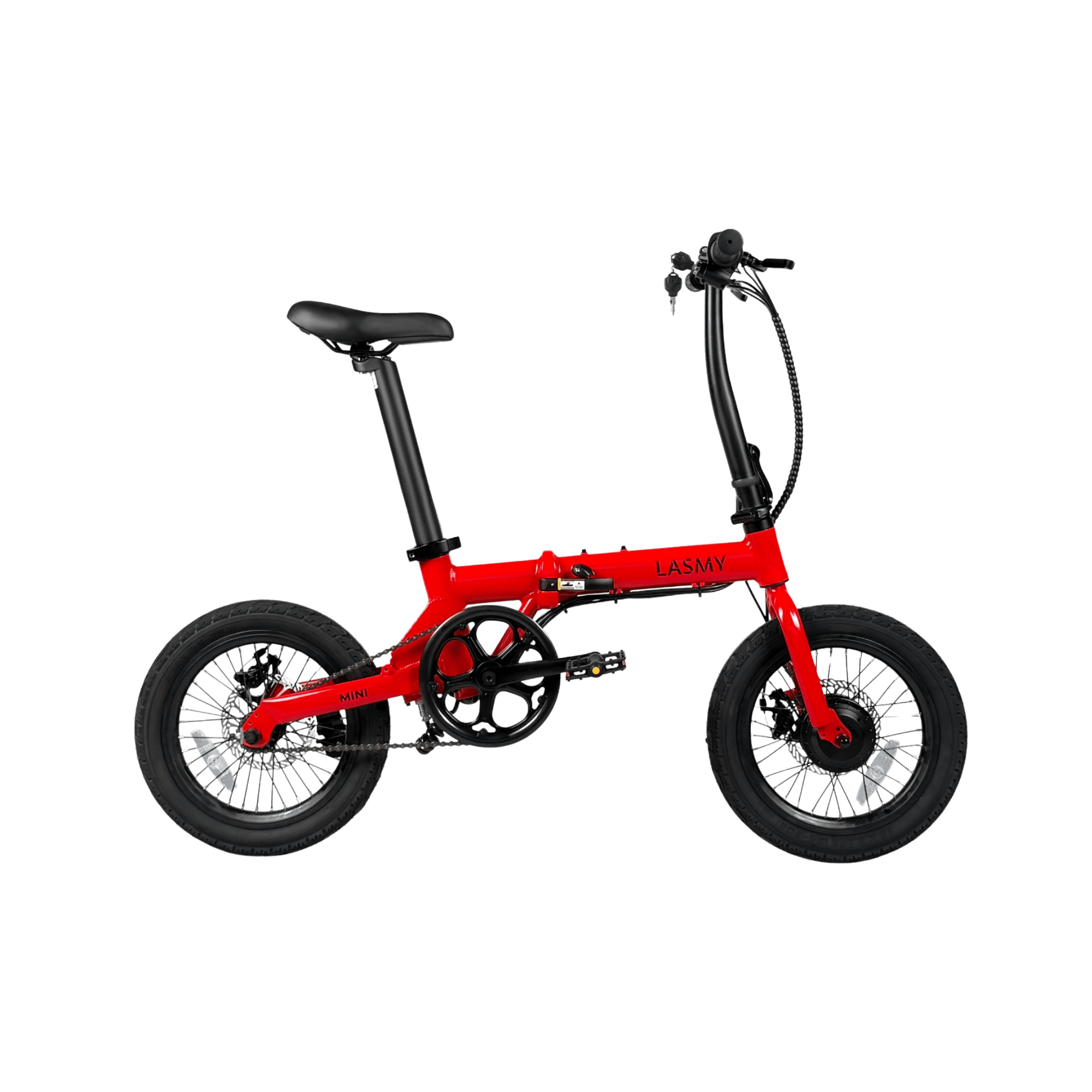
If you live a mile from the train and work another mile from the station, you know the “last mile” problem is not theoretical at all—it’s your daily reality. Walking takes time you don’t have, buses are hit or miss, and rideshares add up fast. A small electric bike plus public transit is one of the most practical ways to cut that wasted time without buying a car. The catch: most U.S. transit systems have specific rules about bikes, and showing up with a full‑size e‑bike at 8:30 a.m. can easily get you turned away. Knowing the rules ahead of time is the difference between a smooth commute and getting stuck at the turnstile. Below is a quick rundown of how major systems handle bikes—and why a compact folding e‑bike like the Lasmy Mini makes life a lot easier. New York City (MTA Subway) New York is one of the better big systems when it comes to bike access, but crowding is a real constraint. What works on a quiet Sunday afternoon does not always fly on a packed weekday rush hour train. Official rules: Bikes are allowed on the subway at all times, as long as you do not block doors or interfere with other riders. On a crowded train: Getting a full‑size 26‑inch bike onto a packed L train at 8 a.m. is stressful for you and everyone around you, and staff can tell you not to board if the car is too full. Folding bikes: Folded bikes are generally treated more like luggage and are much easier to bring on during busy periods since they can fit under a seat or between your legs. Official Sources: NYC DOT - Bikes on Transit MTA - Personal Electric Vehicles Policy (2023) San Francisco Bay Area (BART) BART is essential if you’re moving between the East Bay and San Francisco, and bikes are now a normal part of the system. Still, there are a few rules that matter a lot if you ride every day. Official rules: Bikes are allowed on most trains, but they are not allowed in the first car for safety reasons. Peak times: During the heaviest commute windows, full‑size bikes can be restricted at busy stations like 12th St. Oakland or Embarcadero, or limited to certain cars. Folding bikes: A folded bike is treated as luggage, which means you can use any car—including the first car—even when space is tight. Official Sources: BART - Bikes on BART (Updated 2024) BART Bike Rules PDF (Official) BART Bicycle Access & Parking Plan Chicago (CTA “L”) Chicago’s system is more strict about when you can bring a regular bike on board. If you work a typical 9–5 schedule, this matters a lot. Official rules: Bikes are allowed on trains except during rush hours. Blackout windows: Regular bikes are generally not allowed from 7:00–9:00 a.m. and 4:00–6:00 p.m. on weekdays, which lines up exactly with most work commutes. Folding bikes: The CTA explicitly allows folding bikes on trains at all times, which makes a folding setup the only realistic option if you rely on the “L” to get to work on time. Official Sources: CTA - Bike & Ride Brochure (Official PDF) RTA Chicago - How to Ride Transit with Bikes (2025 Update) Washington, D.C. (WMATA Metro) The DC Metro welcomes bikes at no extra charge, but space management is key, especially during busy periods. Official rules: Bicycles and scooters are allowed on Metrorail as long as they're smaller than 80" long, 48" high, and 22" wide. Riders must use elevators and the extra-wide fare gates, and enter rail cars only through the front or rear end doors—not the center doors. Capacity limits: Metro limits bikes to four per rail car (two at each end), and the system recommends using the first and last cars since they're typically less crowded. During special events or high passenger volume, Metro reserves the right to restrict bicycle access entirely. Folding bikes: While the official policy doesn't create a separate category for folding bikes, a properly folded bike that fits within the size limits and doesn't block aisles or doorways functions like personal luggage, making it much easier to board during crowded periods without hitting the four-bike-per-car limit. Official Sources: WMATA.com - Rider Guide - Bicycles Why a Small Folding E-Bike Works Better Across major U.S. systems—from LA to Boston—the pattern is pretty consistent: full‑size bikes see more limits, while folding bikes get more flexibility. If you want a reliable multi‑modal commute, size and portability matter more than raw power. This is where the Lasmy Mini Folding Electric Bike fits in. Compact size: With 16‑inch wheels and a folded footprint of roughly 29 x 25 inches, the Lasmy Mini tucks easily between your legs on a crowded train or under a seat on commuter rail. Rush‑hour friendly: Because it folds small, it fits systems that allow folding bikes at all times, so you’re not gambling on whether today’s train staff will let a full‑size e‑bike on. Manageable weight: At about 38 lbs, it’s light enough to carry up most station staircases with one hand, especially compared to typical 60–65 lb e‑bikes. Clean look: With a concealed seat‑post battery and a simple frame, it reads more like sleek luggage than a tangle of cables and parts, which helps it blend in during commuter hours. Practical Tips for Taking Your E-Bike on the Train A few small habits make the whole experience smoother—for you, station staff, and other riders. Fold before the gate: Fold your bike before you reach the fare gates so you move through quickly and show staff you understand the rules. Use elevators when possible: You can carry a light folding bike on an escalator, but using elevators is usually safer and more considerate, especially during busy times. Watch the chain side: If you are in work clothes, hold the bike from the non‑drive (left) side to avoid grease on your pants; fenders on the Lasmy Mini also help keep road spray off your outfit. Upgrade Your Commute Today Ready to beat the rush hour traffic? Get the ultimate folding companion. Shop Lasmy Mini
Surron Light Bee X vs Talaria Sting R
For years, the debate has raged in the electric dirt bike community: Surron or Talaria? With the release of the 2025 Surron Light Bee X, the conversation has shifted dramatically. While the Talaria Sting R (MX4) made waves with its power upgrades last year, Surron has answered back ferociously. The new 2025 Light Bee X now boasts an 8000W motor and a larger 40Ah battery, effectively closing the power gap while retaining the legendary agility that made it famous. In this deep-dive comparison, we break down the specs, handling, and real-world performance of these two titans to help you decide which bike belongs in your garage. At a Glance: Spec Comparison Before we hit the trails, let's look at the raw numbers. The 2025 updates to the Light Bee X have leveled the playing field significantly. Feature 2025 Surron Light Bee X Talaria Sting R (MX4) Peak Power 8000W Upgrade 8000W Battery Capacity 60V 40Ah (2400Wh) 60V 45Ah (2700Wh) Curb Weight ~126 lbs (57 kg) Lighter ~145 lbs (66 kg) Transmission Belt + Chain Gearbox + Chain Seat Height 32.6 inches ~33.1 inches Best For Agility, Technical Trails, Jumps High-Speed Stability, Range Data Source-- https://talariacanada.com/talaria-sting-r-mx4/-- https://talariausa.us.com/product/talaria-sting-r-mx4/-- https://www.sur-ron.com/lightbee/x Deep Dive: Key Differences 1. Power & Battery: The Gap Has Closed For a long time, the Talaria Sting R held the crown for stock power. However, the 2025 Light Bee X has been upgraded with a new 8000W high-power mid-motor, matching the Sting R's peak output. Surron: The new 60V 40Ah battery is a sweet spot. It offers significantly more range than the older 32Ah/34Ah models without adding the bulk that makes other bikes feel heavy. Talaria: The Sting R still holds a slight edge in raw capacity with its 45Ah battery, offering roughly 10-15% more potential range. However, this comes at the cost of extra weight. 2. Transmission: Belt vs. Gearbox This remains the most distinct structural difference between the two bikes. Surron (Belt Drive): Uses a primary belt drive. This system is lightweight and snappy, contributing to the bike's instant throttle response. It's quiet and easy to replace, though extreme off-roaders sometimes worry about belt snaps in deep mud. Talaria (Gearbox): Uses a sealed oil-filled gearbox. It replaces the belt reliability anxiety with a system that requires oil changes. It is generally quieter and more durable for hardcore mud riding but adds weight and mechanical drag. 3. Handling: Featherweight vs. Middleweight This is where the Surron Light Bee X shines as the undisputed king of agility. Surron Agility: Weighing in at just 126 lbs, the Light Bee X is nearly 20 lbs lighter than the Talaria. This makes it effortless to flick around corners, pop wheelies, and manhandle on tight, technical single-tracks. It feels more like a downhill mountain bike on steroids. Talaria Stability: The extra weight (145 lbs) and slightly larger chassis make the Sting R feel more planted at high speeds (45mph+). If you ride wide-open fire roads, you might prefer this stability, but you will feel the extra mass in the tight twists. Which One Should You Buy? Choose 2025 Surron If: You value agility above all else. The lightweight chassis is unmatched for technical riding and learning stunts. You want a proven platform. The aftermarket community for Surron is massive; if you can dream of a mod, it exists. You are a smaller to medium-sized rider. The lower seat height (32.6") and lighter weight make it more approachable. You want the latest tech. The 2025 updates (8kW motor, 40Ah battery) have modernized the bike to compete with any stock option. Choose Talaria Sting R If: You are a taller rider. The slightly larger frame fits riders over 6'0" a bit better out of the box. You hate belt maintenance. The gearbox offers peace of mind for riders who ignore maintenance intervals. You need maximum range. The 45Ah battery offers a few extra miles for long-distance cruising. Conclusion The rivalry has pushed both companies to innovate, but the 2025 Surron Light Bee X proves that the original king is not ready to give up its throne. By boosting the power to 8000W and upgrading the battery to 40Ah, Surron has neutralized Talaria's main advantages while keeping the bike 20 lbs lighter. For riders who want a bike that feels like an extension of their body—nimble, quick, and wildly fun—the new Light Bee X is the clear winner. Free shipping on all ebike orders. Estimated delivery: 90 days.Great news! The Surron models will arrive at our US warehouse by late January 2026. All orders will then ship from our US warehouse, eliminating the risk of over 45 days of ocean shipping. Pickup is available! Shop 2025 Light Bee X
Stealing the Show: The Surron Hyperbee Demo Race at AUSX Open
The 2025 AUSX Open wasn't just about the 450s. We witnessed the Surron Hyperbee tackle a pro supercross track in Melbourne. Here is why this electric lightweight is the real deal for new riders.
Why Halloween Season Is the Perfect Time to Buy an Electric Bike
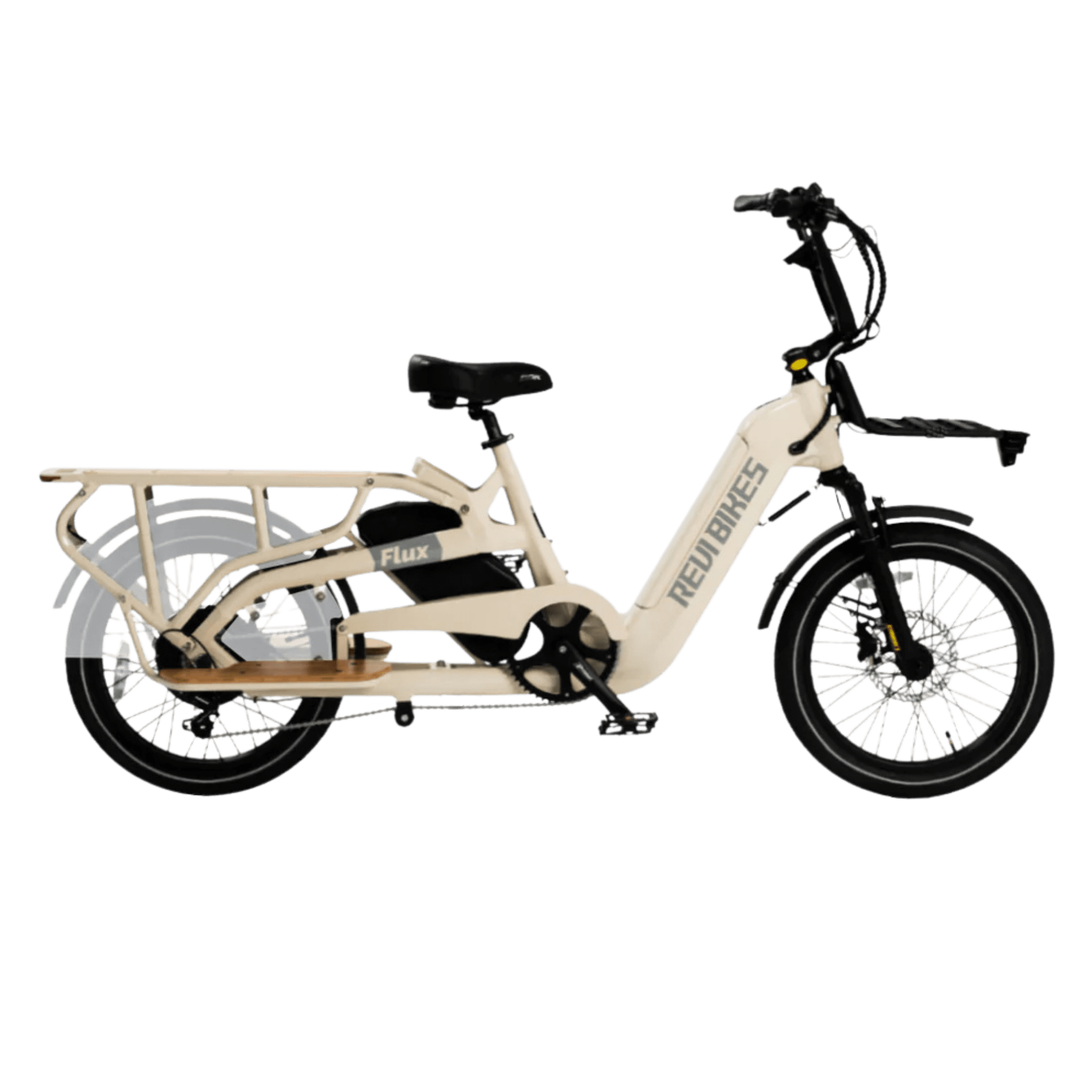
Learn why Halloween season is the perfect time to buy an electric bike: Mild fall weather for rides to pumpkin patches or trunk-or-treat, nonstop short trips that e-bikes simplify, and early brand sales (price-guaranteed through Black Friday). Discover Go4eMobility’s deals—from the under-$600 Lasmy Mini to family-friendly cargo e-bikes and stylish retro models—and start enjoying rides before winter hits.
Surron Light Bee X vs Bikonit Raptor BK-28
Short version: The BK-28 is targeted at riders seeking raw power and value. The LightBee X (LBX) is aimed at riders desiring lightweight agility and refined control. The following provides a more in-depth, scientific explanation of why these differences are significant, where each model excels, and how to assess real-world range, handling, and longevity. Specifications & quick comparison Spec Bikonit Raptor BK-28 Surron Light Bee X Peak power (kW) 21 kW 8 kW Battery 72 V × 30 Ah = 2160 Wh 60 V × 40 Ah = 2400 Wh (typical) Top speed ~85 km/h (52 mph) ~75 km/h (46 mph) Weight ~69 kg (152 lb) ~57–58 kg (125–128 lb) Controller Sine-wave FOC sine-wave (better low-speed modulation) Unique features NFC unlock, high torque Regenerative braking, removable battery Price (typical) ~USD $4,699 ~USD $4,699 The physics of what you feel on the trail Motor power vs torque — not the same thing Power (kW) represents the amount of work per unit time that the motor can perform; a higher kW value indicates a higher potential top speed and more continuous power. Torque (N·m) is the rotational force at the motor shaft and is responsible for initial acceleration and hill-climbing ability. High torque gives an immediate push from a standstill; high power enables continuous acceleration at speed. Practical takeaway: The BK-28's significantly higher peak power and reported high torque result in stronger launches and better performance on steep grades. The LBX, with lower peak power but a lighter mass, will feel more nimble and easier to maneuver mid-air and on narrow trails. Controller type — how the bike “applies” the power Sine - wave controllers smooth the current to reduce audible noise and heat compared to crude square-wave controllers. FOC (Field - Oriented Control) takes it a step further: it treats the motor as a vector quantity, controlling current in two axes to produce smoother, more efficient torque and better low - speed modulation. Why it matters: FOC (used on the LBX) provides precise throttle control for technical trail riding and improves the smoothness of regenerative braking; a sine - wave controller on a high-power bike (like the BK-28) is robust and simple but may lack the finesse for low-speed trail handling. Battery capacity, usable energy, and range math — a reproducible check To compare batteries in a reproducible manner, convert voltage × amp-hours to watt-hours (Wh). Then estimate the consumption (Wh/km) for off - road riding. Digit - by - digit: BK- 8 battery: 72 V × 30 Ah = 72 × 30 = 2160 Wh (2.16 kWh). LBX battery (example spec 60 V × 40 Ah): 60 × 40 = 2400 Wh (2.4 kWh). Range estimate: If an off-road ride averages 30 Wh/km (moderate mixed terrain), then: BK-28 theoretical range ≈ 2160 Wh ÷ 30 Wh/km = 72 km. LBX theoretical range ≈ 2400 Wh ÷ 30 Wh/km = 80 km. However, real-world range varies rapidly depending on riding style: aggressive high - torque riding can easily double the Wh/km to 60–80 Wh/km, halving the range. Manufacturers' quoted ranges are often measured in conservative eco-modes or on flat trails; always consider the quoted numbers as best-case or partial-use figures. Chassis, suspension and handling Mass, rotational inertia & handling Heavier bikes (higher mass, heavier rotating wheels) increase rotational inertia, making it more difficult to initiate or stop direction changes and wheel spin. This is why the lighter LBX feels more maneuverable on singletrack and during jumps. The heavier mass of the BK-28 is an advantage for maintaining momentum over rough, rutted terrain and for stability at high speed; it also enhances traction under power. Suspension travel and tuning Longer travel with proper damping helps dissipate energy from large impacts (drops, rocks) — crucial for aggressive off-road riding. However, the quality of damping (valve design, compression/rebound tuning) is as important as the travel length. The BK-28 uses long - travel components designed for heavy impacts; the LBX uses lighter multi-link setups tuned for agility and quicker recovery. For riders: adjust sag and damping according to your weight and riding style, not the “factory” settings. Thermal management & reliability High-power motors and controllers generate a significant amount of heat; sustained high loads without adequate heat dissipation will trigger power limits or cause failure. Look for heat sinks, airflow pathways, and thermal monitoring in the spec sheets. Battery longevity depends on charge/discharge rates (C-rate) and temperature. Higher continuous current draw shortens the cycle life; a good BMS (Battery Management System) with cell balancing, over-temp and over-current protection is essential. Practical check: Ask dealers about sustained climb tests and whether the bike has thermal cutback (automatic power reduction) — this is a reliability feature, not a defect. Control features that change rideability Regenerative braking: Recovers energy, smooths deceleration, but excessive regen can destabilize a dirt bike on loose surfaces. The LBX's regen is usually tunable, which is beneficial for rider customization. Ride modes & throttle mapping: Allow for tailoring of power delivery (Eco, Sport, Traction control). Finer mapping (possible with FOC controllers) improves traction on variable terrain. Security & convenience: NFC unlock and remote features (BK-28) are modern conveniences—useful for fleets or shared use. Maintenance, parts ecosystem & resale Aftermarket support & parts availability directly impact downtime and long-term costs. Surron has a larger established dealer and parts network in many countries; the BK-28 (Bikonit) may be more value - oriented but may require import/aftermarket sourcing depending on the region. Wear items: Chain/sprockets, brake pads, bushings, and suspension seals need periodic inspection—plan a maintenance schedule based on hours ridden, not calendar weeks. Who should buy which Choose the BK-28 if: You prioritize raw acceleration, top speed, and climbing (high torque + big motor). You want the best power-for-dollar and plan longer high-speed rides or aggressive routes. You are comfortable with a heavier, momentum - based bike. Choose the Surron Light Bee X if: You value agility, precise low-speed control, and brand support. You ride technical singletrack, jumps, or prefer a bike that is easy to handle at lower skill levels. You prefer a more established dealer/service network. Conclusion Make a decision by matching the measured physical demands (route profile, expected speed, frequency of high-load bursts) to the bike's energy capacity, torque profile, and thermal management. The BK-28 offers machine-level power and climbing ability; the LBX provides controllability and a lighter platform. Both are excellent for different scientific use-cases — choose the bike whose physical characteristics align with the physics of your riding style.
Surron 2025 LightBee X vs HyperBee | 2025 Full Specs Comparison
The electric dirt bike world is evolving fast. For years, the Sur-Ron Light Bee X has been the undisputed king of the lightweight electric category. But with the 2025 release of the Sur-Ron Hyper Bee, many riders—especially parents and beginners—are asking: Which one should I buy? Is the Light Bee X still worth the premium? Or does the compact Hyper Bee offer enough thrill for the price? In this detailed breakdown, we analyze the power, range, size, and intended use case for both models available at Go4emobility. 1. The Contenders at a Glance Sur-Ron Light Bee X (2025) The legend. A 8000W beast that bridges the gap between a mountain bike and a 110cc dirt bike. It’s highly modifiable, street-legal ready (in some zones), and built for serious adults or experienced teens who want to shred technical trails. Sur-Ron Hyper Bee The newcomer. Designed primarily as a youth bike or a pit bike for adults. It runs on a 50.4V system (vs 60V), is physically smaller, lighter, and focuses on agility and approachability rather than raw top-end speed. 2. Full Specs Comparison Table Specification Light Bee X (LBX) Hyper Bee Peak Power 8,000 W 5,000 W Top Speed 46.6 mph 34 mph Battery 60V 40Ah 50.4V/25Ah Range (Ideal) 46.6 miles @24.9mph 31 miles @24.9mph Weight 125.6 lbs 85.9 lbs Wheel Size 19" Front / 19" Rear 14" Front / 12" Rear (Big Wheel) Target Rider Adults / Teens (5'4" - 6'2") Youth / Kids (4'0" - 5'2") 3. Detailed Analysis Power & Torque The Light Bee X delivers a punchy 266N.m of torque. It wheelies on command and can climb steep single-tracks effortlessly. The Hyper Bee, while having less peak power, is incredibly torquey for its weight class. It’s snappy but manageable, making it safer for learning throttle control. Size & Ergonomics This is the biggest differentiator. The Light Bee X is a full-size frame for this category. If you are an adult over 5'8", the Hyper Bee will feel like a cramped pit bike (knees hitting handlebars). The Hyper Bee is strictly optimized for younger riders or smaller statures, offering confidence because they can easily plant both feet on the ground. 4. Pros & Cons Light Bee X Proven aftermarket support (Batteries, Controllers) High resale value Capable of handling hard enduro tracks More expensive upfront Requires upgrades for tall riders (>6ft) Hyper Bee Extremely lightweight (easy to lift) Budget-friendly entry price Less intimidating for beginners Limited range for long rides Not suitable for highway/commuting 5. Verdict: Which One is For You? Choose the Light Bee X if: You are an adult or teenager looking for a serious performance machine that can grow with you. If you plan on modding the bike or riding with friends who have gas bikes, the LBX is the only choice. Choose the Hyper Bee if: You are buying for a child (ages 8-14) or want a fun, low-maintenance pit bike for the backyard. It offers the authentic Sur-Ron DNA in a package that is safer and more affordable. Shop Light Bee X Shop Hyper Bee
What is a Permanent Magnet Synchronous Motor (PMSM)?
Introduction In today's electromechanical systems, Permanent Magnet Synchronous Motors (PMSMs) have become very important. They're used in industrial machines, new-generation electric vehicles (EVs), and motorcycles. People like PMSMs because they're precise, efficient, and take up little space. This blog will tell you what PMSMs are, where they're used, how they compare to other motors, and why vehicles like the Surron LightBee X and Bikonit Raptor BK-28 use them for better performance. What is a Permanent Magnet Synchronous Motor (PMSM)? A Permanent Magnet Synchronous Motor (PMSM) is a type of AC motor. In contrast to having windings or electromagnets in the rotor, it is equipped with permanent magnets. Induction motors require an external power source to generate a magnetic field in the rotor. However, PMSMs possess a fixed magnetic field due to the built-in permanent magnets. This design enables the rotor to rotate at the same speed as the stator's magnetic field, facilitating precise control of the motor's speed and power. The main components of a PMSM are: Stator: It features three - phase windings. When an electric current is passed through these windings, they generate a rotating magnetic field. Rotor: It contains permanent magnets. Typically, these magnets are fabricated from rare - earth materials such as neodymium, which exhibit high magnetic strength. Control Systems: Advanced techniques such as Field-Oriented Control (FOC) or direct torque control (DTC) are employed. These techniques regulate two types of currents to ensure the smooth operation of the motor. Key Applications of PMSM Permanent Magnet Synchronous Motors (PMSMs) are commonly employed in applications that demand high efficiency, compact size, and excellent control capabilities. Some of the primary applications include: Industrial Machinery: PMSMs are utilized in Computer Numerical Control (CNC) machines, robots, and conveyor systems, where precise motion control is of utmost importance. Electric Vehicles (EVs): They serve as the power source for battery - operated trains and small electric vehicles. PMSMs help mitigate energy loss issues and extend battery life. Direct - Drive Systems: PMSMs are applied in electromechanical actuators and wind turbines. The use of PMSMs eliminates the need for gear trains, simplifying the machine's design. High - Performance Motorcycles: Motorcycles such as the Bikonit Raptor BK-28 are equipped with PMSMs due to their quick response and high energy efficiency. PMSM vs. Other Motor Types: A Technical Comparison Permanent Magnet Synchronous Motors (PMSMs) enjoy high popularity, yet other motor types such as Brushless DC (BLDC) motors and induction motors are still in service. Understanding the distinctions among them enables us to comprehend why PMSMs are superior: PMSM vs. BLDC Motors Control Complexity: BLDC motors employ a simpler current - control method, rendering them more cost - effective for basic applications. In contrast, PMSMs utilize a more advanced control approach (Field-Oriented Control, FOC) to achieve smoother power delivery, thereby reducing vibration and noise. Efficiency: PMSMs generally exhibit higher efficiency, particularly when the motor is operating at partial load. BLDC motors may not perform as well when precise speed control is required. PMSM vs. Induction Motors Rotor Excitation: Induction motors generate a magnetic field in the rotor through induced currents, which results in energy losses. PMSMs utilize permanent magnets, thus avoiding this issue and offering higher efficiency. Power Density: PMSMs can deliver more power within a smaller volume, making them well-suited for applications such as electric vehicles (EVs) and motorcycles where weight is a critical factor. Induction motors are powerful but larger in size and less efficient at low speeds. Advantages of Permanent Magnet Synchronous Motors PMSMs are better than other motors in several ways: 1. High Efficiency and Power Density PMSMs don't lose energy when creating a magnetic field in the rotor. So, they can turn more electrical energy into mechanical power. Their small size and high efficiency make them a top choice for systems where saving weight and energy is important. 2. Advanced Control Capabilities PMSMs can use advanced control methods like FOC. This method allows the motor to control the magnetic field and the power separately. This makes it easy to adjust the speed and power precisely, which is very important for things like robots and electric vehicles. 3. Sensorless Operation Modern PMSMs can work without position sensors. They use special techniques to figure out where the rotor is. This reduces the number of parts and the cost of maintenance, especially in some designs. 4. Reliability Unlike traditional DC motors that have parts that wear out easily, PMSMs don't have such parts. Their solid - state rotor design makes them last longer, especially in high-speed or high - power situations. Why PMSM in Electric Vehicles and Motorcycles? PMSM in Electric Vehicles: Tesla Model 3 Example Tesla Model 3, a flagship electric vehicle in the U.S.market, integrates PMSM technology to optimize performance in battery-powered driving scenarios.The Model 3’s PMSM motor delivers high torque at low speeds, which is critical for responsive acceleration in urban and highway driving.Additionally, the motor maintains efficiency during dynamic load variations—such as climbing hills or navigating uneven terrain—by minimizing energy losses in the rotor’s magnetic field generation 1.This design aligns with Tesla’s focus on lightweight performance and extended range, as the 2023 redesigned Model 3 (Project Highland) achieved a ~10% increase in range through aerodynamic improvements and energy-efficient drivetrain components. PMSM in Motorcycles: The Lightbee X & BK-28 Example For motorcycles like the Surron lightbee X and Bikonit Raptor BK-28, PMSMs respond quickly and waste little energy. These are important for fast and high-performance bikes. Their ability to work without sensors simplifies the design. And the strong performance of PMSM - based systems (made better by advanced control methods) ensures that the bike is stable when accelerating or decelerating quickly. This makes PMSMs a great choice for motorcycles that need to be efficient and reliable. Conclusion Permanent Magnet Synchronous Motors (PMSMs) are changing electromechanical systems. They're efficient, small, and easy to control. They're used in industrial machines, electric motorcycle like the Surron LightBee X and Bikonit Raptor BK-28. They solve problems like energy loss, parts wearing out, and the need for precision. As more people want lightweight and high-power systems, PMSMs will become even more important in future vehicle and industrial designs.


Your cart
Your cart is empty


Shop By E-Bike Features


Hot Sell
Hurry up! Get the best deal at best price.
:
:
:



Grow Your Business
Join the fastest growing electric bikes network in the USA. We provide inventory, parts, and marketing support so you can focus on sales.
Wholesale Pricing
Dropshipping Pricing
Parts Support


Surron Light Bee X Review (2026): Is It Still Worth It?
Mar 25, 2026
First Impressions When I say the first time I swung a leg over a Surron Light Bee X, it caught me off guard, I mean that sincerely. It doesn't look intimidating. That's the first thing. It's compact, almost delicate-looking compared to a full-size MX bike. The frame has this clean aerospace aluminum aesthetic — no clutch cover, no exhaust pipe snaking around the frame, no oil residue anywhere. Just clean lines, a centered battery pack, and knobby 19-inch tires that tell you exactly what this machine is designed for. You pick it up — and that's the thing, you can pick it up — at 56 kg (around 123 lbs with the battery in), it's manageable in a way that a 240-pound four-stroke never is. First ride was out at a loose dirt loop we use for testing out in the high desert. Hit the power button, thumbed it into Sport mode, rolled the throttle — and that was it. I was hooked. The initial torque hit isn't violent, it's precise. There's a difference. This bike doesn't lunge at you and try to throw you off; it just goes, hard and immediately, and you feel it right through the handlebars and pegs. That first impression has held up across dozens of hours on this platform. But let me get into the actual details, because first impressions don't tell the whole story. Technical Specs Breakdown Let's lay out the numbers before we talk about what they mean in real life. The 2025/2026 Surron Light Bee X runs a Permanent Magnet Synchronous Motor (PMSM) rated at 8,000W peak power — an upgrade from the earlier 6 kW models that some older reviews still reference. That 2 kW jump isn't just a marketing refresh; it's noticeable on trail. Peak torque comes in at 266 N.m (roughly 196 ft-lbs), which for a 123-pound bike is a genuinely wild number to think about. The battery is a 60V/40Ah pack using Panasonic or LG 21700 cells — the same cell format used in quality EV applications, not some low-grade chemistry. Surron rates the range at 75 km (about 46 miles) at 40 km/h in Eco mode. We'll get into what that means in the real world in a bit, because the real number is more nuanced. Specification Details (2025/2026 Model) Motor Permanent Magnet Synchronous Motor (PMSM) Peak Power 8,000W (8 kW) Peak Torque 266 N.m (196 ft-lbs) Battery 60V / 40Ah (Panasonic or LG 21700 cells) Weight (Inc. Battery) 56 kg (123 lbs) Top Speed ~47–49 mph (75-80 km/h) 0-50 km/h Acceleration 2.7 Seconds Max Range 75 km (46.6 miles) @ 40 km/h in Eco Mode Charge Time 2.5–3.5 hours (Stock Charger) That 8 kW figure with a controller upgrade path up to 12–14 kW is worth flagging. The platform was designed with modding in mind — and that has made the Light Bee X the go-to "base bike" for serious builders in the US eMoto scene. One spec that doesn't show up in any table but matters enormously: the battery is removable. Fully pull it out of the frame in under two minutes. That means you can charge it separately in your apartment, hotel room, or the back of your truck. For riders who use the Light Bee X as a daily fun machine rather than a dedicated off-road build, that's an underrated quality-of-life feature. Real-World Performance Here's where we stop reading manufacturer documents and start talking about what the bike actually does. Top speed in stock configuration lands at about 47–49 mph depending on rider weight and conditions. Some riders have reported slightly over 50 on flat pavement with a tailwind, but don't plan around that. For trail use — which is what this bike was designed for — it's more than enough. Most singletrack doesn't need 50 mph; it needs quick, controllable power delivery at 15–30 mph, and that is exactly where the Light Bee X excels. The 0–31 mph (0–50 km/h) acceleration is rated at 2.7 seconds by Surron. In practice it feels faster than that figure suggests, because you're experiencing it on a 123-pound bike. Context matters. A motorcycle doing the same 0–30 time would feel sluggish. On something this light, it feels borderline violent in the best possible way. Sport vs Eco mode is a real decision, not a marketing gimmick. Eco mode is genuinely mild — smooth, linear, forgiving, well-suited for beginner riders or situations where you want to stretch range. Sport mode opens the full throttle map and brings in regenerative braking, which takes some adjustment. First few sessions in Sport mode, the regen braking caught me off-guard on trail — you roll off the throttle and the rear wants to slow faster than you expect, which can unsettle the bike on loose terrain. Once you get used to it, the regen actually becomes a tool; you can modulate your deceleration without touching the brakes, which is nice on technical descents. The suspension is where the Light Bee X earns genuine praise. The inverted front fork with around 200mm (8 inches) of travel is properly tuned for the bike's weight class. It doesn't feel like budget hardware slapped on to save cost — it absorbs roots, rocks, and landing impacts with composure that some heavier bikes can't match. Range Test in Real Conditions This deserves its own section because manufacturer range figures and actual trail miles are two very different conversations. Official claim: 75 km (46.6 miles) at 40 km/h. That number is achievable — but only in a very specific scenario: moderate pace, flat terrain, mild temperature, Eco mode. Pull any of those variables and the range adjusts. Here's the honest breakdown based on rider reports and our own testing: Casual, flat trail riding at 15–20 mph: 37–43 miles. Eco mode, steady pace, minimal climbing. This is the "Sunday cruise" scenario and the closest to the manufacturer's claim. Mixed trail riding at 25–30 mph: 25–35 miles. Most riders on real singletrack are in this band. Aggressive off-road in Sport mode: 15–25 miles. Hard throttle, technical terrain, elevation changes. Mountain/serious elevation gain: One test we saw covered 30 miles with 3,000 feet of elevation gain, and the battery was looking rough by the end. That's aggressive use, but not unrealistic for California backcountry riding. One thing we've seen consistently: riders who come from gas bikes immediately try to push the Light Bee X like an unlimited machine — full throttle everywhere, minimal coast-down — and they run the battery down fast and complain about range. Riders who adjust their throttle habits and work with the regen braking on descents squeeze significantly more distance out of a charge. Cold weather note: lithium batteries don't love cold. Below 40°F, expect a noticeable range reduction — sometimes 15–20% less than you'd get at 65°F. This is not specific to Surron; it's a lithium chemistry reality. Off-Road Riding Experience The Light Bee X handles technical terrain with an ease that larger, heavier bikes simply can't replicate. The 56 kg weight means you're lifting, repositioning, and maneuvering the bike with your body in a way that builds real skills rather than brute-force riding. Tighter switchbacks that would require major commitment on a full-size enduro bike are almost casual on the Light Bee. Climbing is where the torque number starts to mean something real. That 266 N.m peak torque, combined with the weight advantage, lets the Light Bee X crawl up nasty technical climbs that would stall or struggle a comparable-sized gas bike. The 45-degree climbing angle claim is accurate. Jumps and drops are where the Light Bee X's weight tells the whole story. It launches cleaner than bikes twice its size, lands lighter, and requires less physical effort to pull up for a jump face. Riders coming from mountain biking love this about it — the bike responds to body language the same way a quality hardtail does, just with a lot more speed available on the exit. Noise level deserves mention. Riding a bike that makes almost no sound in the backcountry is an experience that's hard to convey in writing. You hear the knobby tires on gravel. You hear birds. You hear the trail. The absence of engine noise changes the entire sensory experience of off-road riding in a way that genuinely grows on you. Pros and Cons After significant time on this platform, here's where it actually stands. The Good Stuff (Pros) Exceptional power-to-weight ratio for the class Fast charge time compared to competitors (2.5–3.5 hrs) Removable battery is genuinely practical for everyday riders Deep aftermarket support in the US — controllers, batteries, motors, suspension Responsive, precise throttle delivery that rewards skilled riding Nearly silent operation opens more riding locations Regenerative braking adds a useful technical dimension 45+ degree climbing ability handles serious technical terrain The Trade-Offs (Cons) Real-world range drops significantly in aggressive riding conditions Stock seat comfort is mediocre on longer sessions 47–49 mph top speed feels limiting for faster riders without modification Cold weather range reduction is noticeable below 40°F Suspension needs stiffening for riders over 190 lbs Some US dealers have inconsistent part availability depending on region Who Should Buy a Surron? The Light Bee X is a genuinely versatile machine, but it's not the right bike for every rider. Let's be specific. Perfect for: Beginners and intermediate riders building skills — the forgiving weight and progressive power make it a real teacher. Riders transitioning from mountain biking to motorized off-road — the ride feel is familiar and the learning curve is minimal. Trail riders who prioritize technical capability over outright speed. Modders and tinkerers who want a proven platform with extensive upgrade paths. Riders in suburban or semi-urban environments where noise matters. Might want to consider something else if: You're a serious MX competitor who needs higher top speed and more suspension travel out of the box — look at the Ultra Bee. You primarily ride high-speed fire roads or wide-open terrain where the 47 mph ceiling feels restrictive. You're planning very long trail loops (40+ miles) and can't charge mid-ride. You're a heavy rider (200+ lbs) who needs more suspension compliance stock. Final Thoughts It's 2026 and the Surron Light Bee X is still, genuinely, one of the most interesting value propositions in the electric dirt bike market. Is it perfect? No. The stock seat needs to go. The range requires honest expectation management. Riders who want to go fast in wide-open conditions will feel the speed cap within a few months. But here's what it does better than almost anything in its price class: it makes you a better rider. The feedback loop between rider input and bike response is tight and educational in a way that bigger, more powerful machines don't always deliver. At $4,399–$4,999 in the current US market, the Light Bee X is sitting in a competitive spot. For what it is — a fun, capable, light, and surprisingly capable electric dirt bike with a strong upgrade path — it earns its price and then some. Shop Surron Light Bee X at Go4E Mobility FAQ Q: What is the real top speed of the Surron Light Bee X in 2026? Stock configuration puts it at around 47–49 mph (75–80 km/h) on flat ground. Some riders report slightly over 50 under ideal conditions. The bike has a speed limiter that can be adjusted, and with a controller upgrade — the KO, EBMX, or ASI options are popular in the US — you can push into much higher territory. Be aware that modifying the speed limiter may affect legality in your state and will impact your warranty. Q: How long does the Surron Light Bee X battery last before replacement? The 60V/40Ah pack uses quality LG or Panasonic 21700 cells that are rated for approximately 800–1,000 full charge cycles before noticeable degradation. With typical use patterns — one to two full charges per week — that's several years of riding before you're looking at a battery refresh. Partial charging (stopping at 80% rather than going to 100% regularly) extends this further. Q: Can the Surron Light Bee X be made street legal in California? This is a question we get constantly at Go4E Mobility, especially from riders in LA and the Bay Area. In its stock form, the Light Bee X is classified as an off-road vehicle and is not street legal in California. As of 2026, plan for off-road or private land use unless you've done the specific homework on your county's current regulations. Adding mirrors, lighting, and a horn doesn't automatically create a legal street bike here. Q: How does the Surron Light Bee X compare to the Ultra Bee? They're genuinely different bikes that share a brand name. The Light Bee X is 56 kg with 8 kW peak power and a 60V/40Ah battery. The Ultra Bee is 88 kg with 21–25 kW peak power and a 74V/55Ah battery, with a top speed around 59–71 mph. The Light Bee X is about technical agility and accessibility; the Ultra Bee is about power and mid-range MX performance. Q: What's the best upgrade to make first on a stock Light Bee X? Depends on your priority, but the most universal answer is the seat. It's cheap, quick, and immediately improves long-session comfort. After that, if you want more speed, a controller upgrade is the most impactful. If you're pushing the bike hard in technical terrain, suspension tuning or stiffer springs for heavier riders is the smarter first investment.
What Is a Surron Bike? A Complete Beginner Guide
Mar 17, 2026
If you've seen someone ripping down a trail on what looks like a mountain bike crossed with a motocross machine — completely silent — there's a good chance it was a Surron. These bikes have exploded in popularity, and for good reason. This guide breaks down everything you need to know before you buy one.

How to Bring Your E-Bike on the Subway (2026 Rules)
Jan 19, 2026
If you live a mile from the train and work another mile from the station, you know the “last mile” problem is not theoretical at all—it’s your daily reality. Walking takes time you don’t have, buses are hit or miss, and rideshares add up fast. A small electric bike plus public transit is one of the most practical ways to cut that wasted time without buying a car. The catch: most U.S. transit systems have specific rules about bikes, and showing up with a full‑size e‑bike at 8:30 a.m. can easily get you turned away. Knowing the rules ahead of time is the difference between a smooth commute and getting stuck at the turnstile. Below is a quick rundown of how major systems handle bikes—and why a compact folding e‑bike like the Lasmy Mini makes life a lot easier. New York City (MTA Subway) New York is one of the better big systems when it comes to bike access, but crowding is a real constraint. What works on a quiet Sunday afternoon does not always fly on a packed weekday rush hour train. Official rules: Bikes are allowed on the subway at all times, as long as you do not block doors or interfere with other riders. On a crowded train: Getting a full‑size 26‑inch bike onto a packed L train at 8 a.m. is stressful for you and everyone around you, and staff can tell you not to board if the car is too full. Folding bikes: Folded bikes are generally treated more like luggage and are much easier to bring on during busy periods since they can fit under a seat or between your legs. Official Sources: NYC DOT - Bikes on Transit MTA - Personal Electric Vehicles Policy (2023) San Francisco Bay Area (BART) BART is essential if you’re moving between the East Bay and San Francisco, and bikes are now a normal part of the system. Still, there are a few rules that matter a lot if you ride every day. Official rules: Bikes are allowed on most trains, but they are not allowed in the first car for safety reasons. Peak times: During the heaviest commute windows, full‑size bikes can be restricted at busy stations like 12th St. Oakland or Embarcadero, or limited to certain cars. Folding bikes: A folded bike is treated as luggage, which means you can use any car—including the first car—even when space is tight. Official Sources: BART - Bikes on BART (Updated 2024) BART Bike Rules PDF (Official) BART Bicycle Access & Parking Plan Chicago (CTA “L”) Chicago’s system is more strict about when you can bring a regular bike on board. If you work a typical 9–5 schedule, this matters a lot. Official rules: Bikes are allowed on trains except during rush hours. Blackout windows: Regular bikes are generally not allowed from 7:00–9:00 a.m. and 4:00–6:00 p.m. on weekdays, which lines up exactly with most work commutes. Folding bikes: The CTA explicitly allows folding bikes on trains at all times, which makes a folding setup the only realistic option if you rely on the “L” to get to work on time. Official Sources: CTA - Bike & Ride Brochure (Official PDF) RTA Chicago - How to Ride Transit with Bikes (2025 Update) Washington, D.C. (WMATA Metro) The DC Metro welcomes bikes at no extra charge, but space management is key, especially during busy periods. Official rules: Bicycles and scooters are allowed on Metrorail as long as they're smaller than 80" long, 48" high, and 22" wide. Riders must use elevators and the extra-wide fare gates, and enter rail cars only through the front or rear end doors—not the center doors. Capacity limits: Metro limits bikes to four per rail car (two at each end), and the system recommends using the first and last cars since they're typically less crowded. During special events or high passenger volume, Metro reserves the right to restrict bicycle access entirely. Folding bikes: While the official policy doesn't create a separate category for folding bikes, a properly folded bike that fits within the size limits and doesn't block aisles or doorways functions like personal luggage, making it much easier to board during crowded periods without hitting the four-bike-per-car limit. Official Sources: WMATA.com - Rider Guide - Bicycles Why a Small Folding E-Bike Works Better Across major U.S. systems—from LA to Boston—the pattern is pretty consistent: full‑size bikes see more limits, while folding bikes get more flexibility. If you want a reliable multi‑modal commute, size and portability matter more than raw power. This is where the Lasmy Mini Folding Electric Bike fits in. Compact size: With 16‑inch wheels and a folded footprint of roughly 29 x 25 inches, the Lasmy Mini tucks easily between your legs on a crowded train or under a seat on commuter rail. Rush‑hour friendly: Because it folds small, it fits systems that allow folding bikes at all times, so you’re not gambling on whether today’s train staff will let a full‑size e‑bike on. Manageable weight: At about 38 lbs, it’s light enough to carry up most station staircases with one hand, especially compared to typical 60–65 lb e‑bikes. Clean look: With a concealed seat‑post battery and a simple frame, it reads more like sleek luggage than a tangle of cables and parts, which helps it blend in during commuter hours. Practical Tips for Taking Your E-Bike on the Train A few small habits make the whole experience smoother—for you, station staff, and other riders. Fold before the gate: Fold your bike before you reach the fare gates so you move through quickly and show staff you understand the rules. Use elevators when possible: You can carry a light folding bike on an escalator, but using elevators is usually safer and more considerate, especially during busy times. Watch the chain side: If you are in work clothes, hold the bike from the non‑drive (left) side to avoid grease on your pants; fenders on the Lasmy Mini also help keep road spray off your outfit. Upgrade Your Commute Today Ready to beat the rush hour traffic? Get the ultimate folding companion. Shop Lasmy Mini
Real Riders | Real Stories
- Choosing a selection results in a full page refresh.
- Opens in a new window.